Protecting Drivers Starts with Controlling Cab Motion

Now more than ever, fleets are prioritizing the health, safety and longevity of their drivers. As the average age of drivers continues to rise, the competition to recruit and retain qualified drivers is stronger than ever. Some ways fleets have approached this is through improvement in pay, in hours, and in benefits. Above and beyond those things, some fleets have embraced technology that prioritizes driver health, safety, and longevity. By addressing issues once considered part of the job, these innovations are helping drivers stay healthier, safer, and productive throughout long careers. Yet one significant challenge affecting driver health, safety, and longevity continues to receive far less attention than it deserves: exposure to whole-body vibration, a condition the industry has largely accepted as a normal tradeoff of the profession.
Whole Body Vibrations
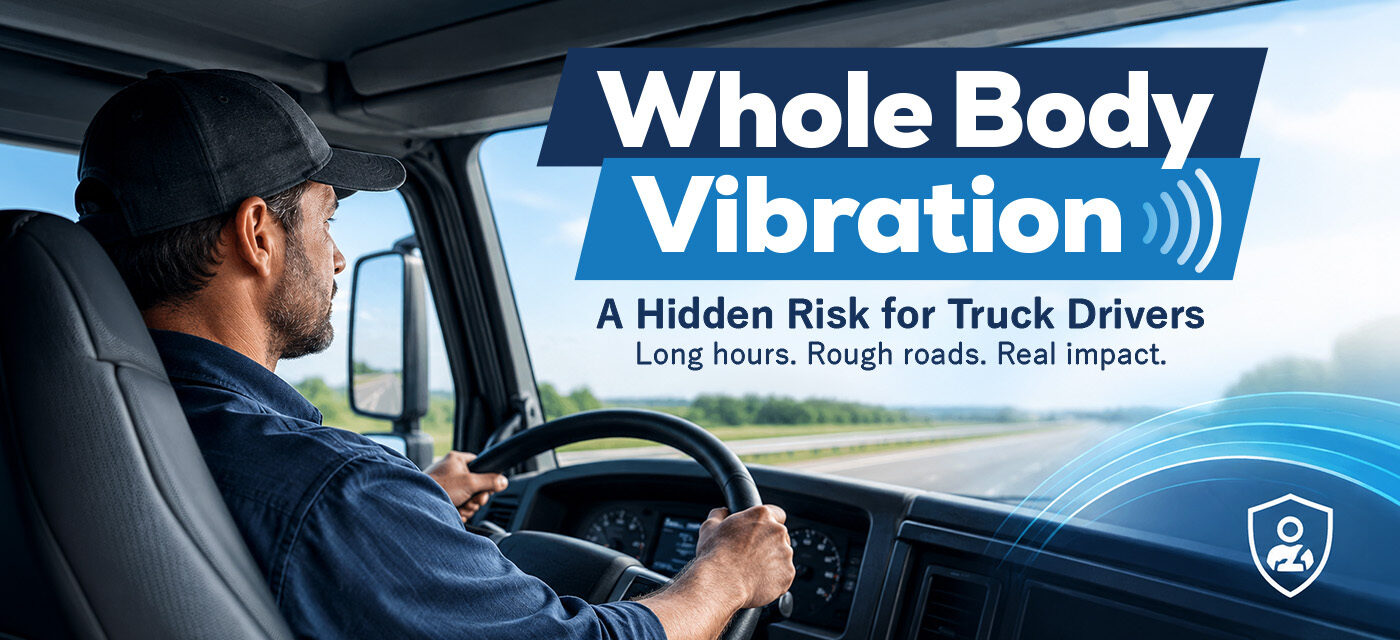
Drivers of all kinds are familiar with the vibrations from the road while driving. These vibrations resonate through the steering wheel, pedals, seat, and cab structure resulting in whole-body vibration (WBV) exposure. Some effects of WBV are noticeable within a day of driving, while others take months, or even years, to develop, and can go unnoticed for a long time until the effects catch up.
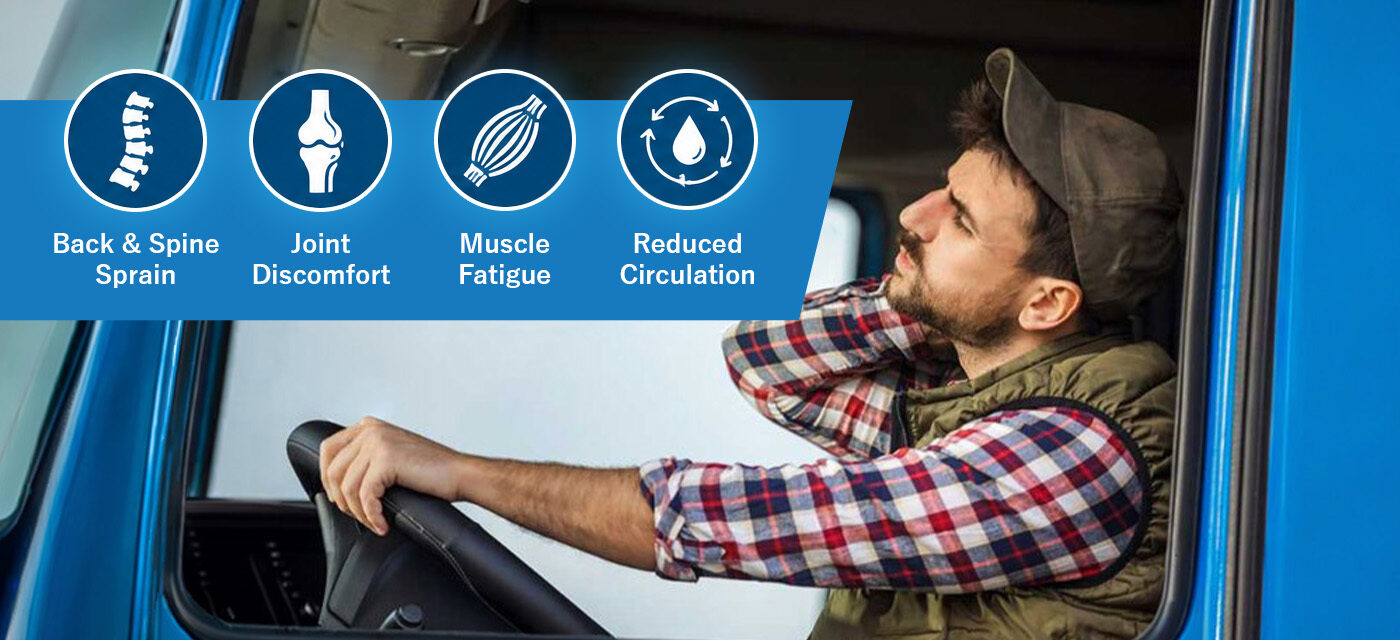
These repetitive stresses contribute to fatigue, musculoskeletal strain, and the physical wear and tear that can shorten a driver’s career. Whether it’s low or high levels of exposure, drivers begin to feel the effects in as little as half an hour. The first thing most drivers notice is discomfort, a sore and achy feeling. During long periods of exposure, fatigue sets in. Fatigue over time results in distractibility and reduced coordination. Drivers have issues focusing on the road and their surroundings, while impaired coordination makes responding to sudden traffic changes much more difficult, potentially endangering the driver and others on the road.
Not only does fatigue increase the risk of vehicle accidents, but it also increases the risk of individual accidents. Fatigue is known to impair balance, resulting in an increased risk of falling and receiving a severe injuring when exiting the cab due to decreased coordination.
While short term WBV effects, such as falling, fatigue, discomfort and distractibility, can have large consequences on their own, over time, the effects compound. As drivers are exposed to WBV long-term, their bodies begin to slowly show the effects. The typical day-to-day driver may never notice the direct long-term effects of WBV. Truck drivers, however, who work upwards of 60 hours per week and have 3,000 hours of exposure per year, are particularly susceptible to the negative effects of WBV. As exposure to WBV increases, so does the severity of the conditions. Many of the long-term conditions resulting from WBV can take months, or even years, to develop.
WBV is known to contribute to occupational chronic neck and back pain, lasting for a lifetime. Drivers with extreme exposure may find themselves experiencing other health conditions as well. WBV is also known to contribute to respiratory disorders, reproductive issues, muscle fatigue and increased muscle forces.
With all the health repercussions, many drivers find their quality of life impacted through their retirement years. After retirement, neck and back disorders continue to affect individuals despite their reduced exposure.
Therefore, it is important for drivers, and the fleets they work for, to prioritize reducing their exposure to WBV. While this may be as simple as ensuring that vehicle maintenance is performed on time, or observing recommended break periods, there are solutions that take precautions a step further. Two such solutions are truck seats equipped with dynamic suspension systems and ROI Cabmate, an electronically controlled cab suspension.
The Benefits and Drawbacks of Seats with Dynamic Suspension Systems
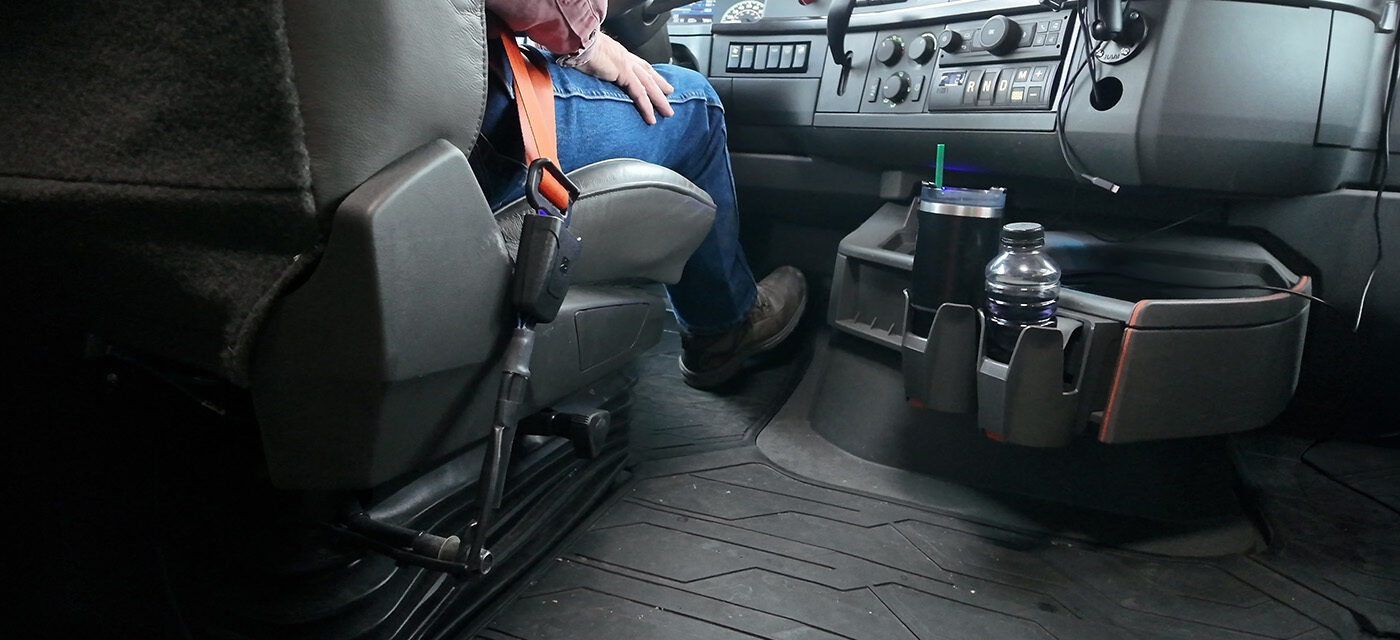
Truck seats equipped with dynamic suspension systems are the most common solution that fleets turn to in the effort to combat WBV. These semi-truck seats are designed to cushion the impacts and vibration encountered while driving. Premium truck seats feature an ergonomic design, supporting drivers’ backs while encouraging proper posture during long stretches on the road. Air cushioning in the seat’s base absorbs excess movement, for a smooth and stable ride.
Drivers and fleets frequently invest in premium seating as a means of improving comfort and mitigating exposure to whole-body vibration. Yet the effectiveness of these systems depends heavily on proper adjustment. Even the most advanced seat cannot deliver its full ergonomic and vibration-reduction benefits if it is not configured correctly, leaving drivers vulnerable to the same health and safety risks the technology was intended to address.
While seats with dynamic suspensions have delivered meaningful benefits, they do not entirely address the issue of WBV exposure and can raise some concerns in other circumstances. When the cab reacts to large impacts, such as a rail-road crossing, the seat might not move in the same pattern as the cab itself. The seat can move in odd patterns, sometimes resulting in a shift in the driver’s visibility of the road. Additionally, the movement can cause the driver to lose hand position on the steering wheel or foot pressure on the pedals.
The Benefits of Electronically Controlled Cab Suspensions
Link developed ROI Cabmate as a responsive air ride cab suspension as a direct response for the drivers who wanted a comprehensive WBV solution. The cab suspension uses sensors to react in real time to road conditions, dampening impacts to the cab from road deformities. On top of reacting to bumps, the system also reduces the vibrations felt by the driver and transmitted into the cab.
While a seat suspension system compensates for motion that has already entered the cab, the ROI Cabmate cab suspension takes a more holistic approach, controlling the vibration or motion before it reaches the driver. By actively controlling cab bounce, pitch, and roll across changing road conditions, ROI Cabmate helps create a stable operating environment for the driver throughout the entire workday.
Every road input affects the steering wheel, pedals, cab floor, and ultimately the driver's head, neck, shoulders, back, and overall fatigue level. Drivers mainly receive WBV through the floor of the vehicle where they rest their feet. Therefore, drivers receive the full effects of WBV in their legs and hands, radiating up their legs and arms. To truly improve driver well-being, Link believes the industry must focus on reducing cab motion at its source.
ROI Cabmate creates a safer environment for drivers, reducing fatigue and fatigue-related conditions in the short term, and health concerns in the long term. The system also reacts to wind shear and other external factors that seats cannot, providing drivers with an optimal, safety-focused environment to operate the vehicle with faster reaction times and improved line-of-sight.
On top of providing benefits to a single driver, ROI Cabmate provides benefits to team drivers. While seats only provide benefits to the on-driver, the off-driver is left to deal with the full effects of WBV and road impacts through the floor, their seat, and the bunk. This exposure directly impacts the quality of the off-driver’s rest, resulting in early-onset fatigue, discomfort, and health conditions over time. As a whole-cab solution, ROI Cabmate provides off-drivers with the same WBV relief as the on-driver, preparing them for a safer drive.
As a WBV dampening solution, the ROI Cabmate system has been demonstrated to reduce the 4-10 Hz range by 18.2% vertically and 30.2% longitudinally compared to a tractor with a traditional cab suspension. Because this range is also where the head, chest and abdomen vibrate easiest, by reducing that specific vibration range, the ROI Cabmate lessons associated symptoms like drowsiness, lower back pain, sciatic nerve pain, discomfort, and fatigue. By reducing all these symptoms, ROI Cabmate directly improves the safety and well-being of drivers, both in the short and long term.
Conclusion
As fleets embrace technology to improve the safety and well-being of their drivers, it is important to consider how to overcome both the short- and long-term effects of whole-body vibration. Truck seats with dynamic seat suspensions and full-cab solutions like the ROI Cabmate are both viable options that can extend the well-being of drivers well beyond their years of service. Ultimately, each fleet will need to determine which solution works best for their scope. For those who would like more information about ROI Cabmate and how it can benefit their fleet beyond the abilities of a seat, they can reach out to our team at 800-222-6283, or visit www.roicabmate.com to learn more. We look forward to helping you provide a safer and more comfortable environment behind the wheel for your drivers.
Blog Author
Kirt Weaver
North American Sales Manager – Fleets